US oil is not winning the Iran war | 01 | Demand Destruction
Did they really think it would?
By Kate Mackenzie, Tim Sahay —
We have expanded the podcast, a little sooner than planned! The themes we explored in the "Electric World Order" season – how electrification and energy transition drive, and are driven by, geopolitical and domestic political forces – are even more interesting now in light of this illegal war and the devastating energy supply shock that it's provoked. So we've revisited those themes in a short, discussion podcast; mostly it will just be Tim and I.
The first episode of this season, Demand Destruction, is available now [Apple, Spotify, everywhere]
We discuss why the Middle East war is accelerating the destruction of demand for fossil fuels, and why the US won’t become the new provider of "geopolitically secure” oil and gas, which seems to be a line that the industry and administration are trying out; only a month after the latter threatened to restrict Europe's access to US LNG exports.
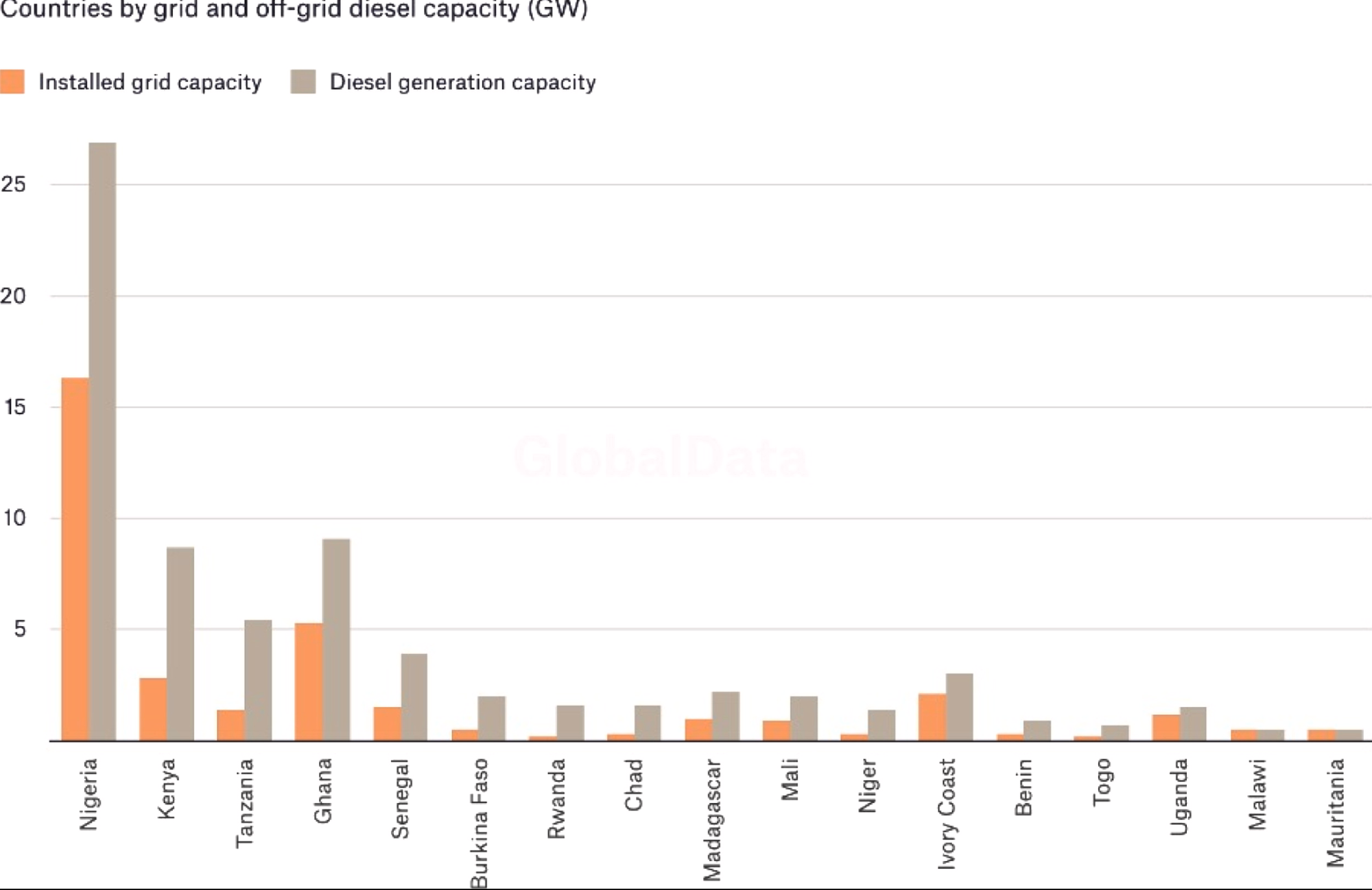
We also argue a little about whether the data is sufficient – *yet* – to prove that demand is being destroyed by electrification and substitution by renewable energy and storage. Partly because data is actually difficult; certain trends like imports of solar panels are not tracked very closely except by thinktanks like Ember; and in many poorer countries a lot of electricity generation is off-grid, making shifts in generation are harder to see:
I also believe media coverage in these situations tends to skew towards contrarian stories. We saw plenty of headlines in 2022 about a resurgence of coal burning in Europe, which proved only fleeting. So we can expect the narrative to run a little behind reality.
But overall we are in agreement that countries will move even faster and more decisively to secure their energy supply with electrification, clean energy generation and storage. That is probably the only good news from the war on Iran, as David Wallace-Wells described it.
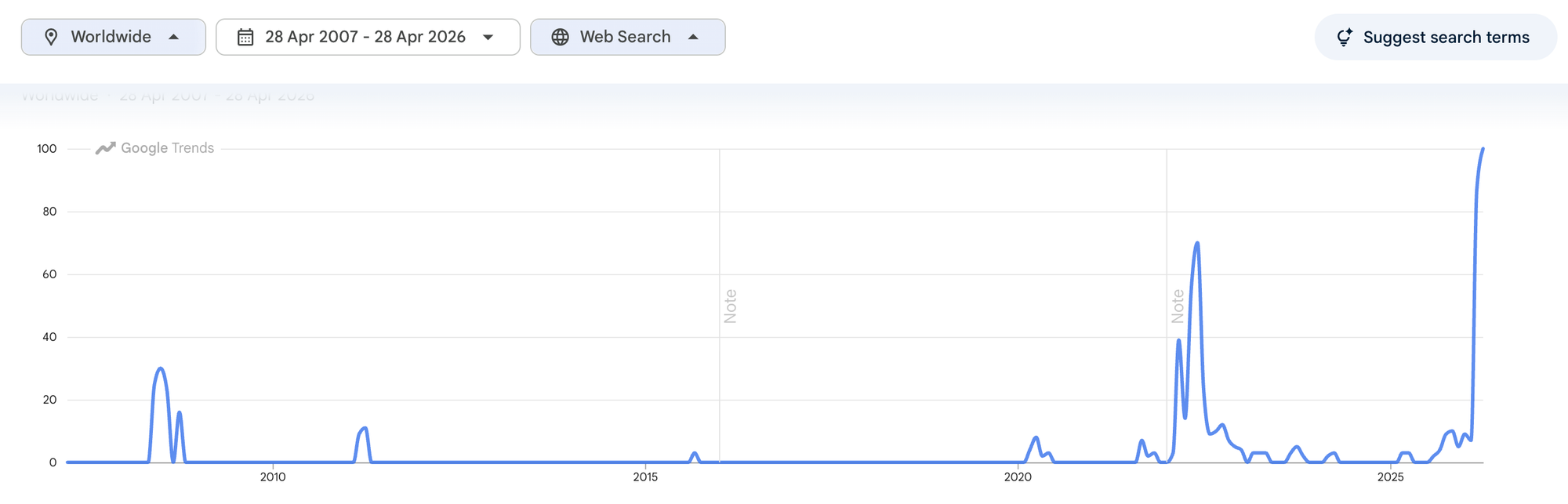
"Demand destruction", a phrase that was previously obscure, is now everywhere.
The war does, however, add some complicating nuances, especially to the question of how the US is seeking to maintain fossil fuel-dominated global energy system. We talked about this a little with Ted Fertik in episode 5, and with Alex Turnbull and Helen Thompson in episode 3. As an effort to assert US energy dominance, the Middle East war is very different to the Venezuela decapitation; not that either intervention makes much sense.
The UAE quitting OPEC and OPEC+ adds still another element to this contest of oil narratives. There are big regional geopolitical elements to this decision, but it also looks, unequivocally, like peaking oil demand is a part of the calculation (a long thread here). We'd add that it seems like this expectation of declining demand has been informing the UAE's strategy for at least a few years; UAE has been wanting to pump as fast as it can while Saudi Arabia, the other big OPEC member, still wants to try to support prices.
We'll write more about all of this soon. In the meantime, look out for our Phenomenal World essay later this week.
-Kate
Related links:
Iran War Pushes Asia to Think Twice Before Doubling Down on LNG - Bloomberg
“Bloomberg News spoke to more than two dozen executives, traders and analysts across Asia, who painted a picture of a region that had been thought of as the future of LNG, but is now rapidly losing faith in the super-chilled fuel.”
US is making Europe pay dearly for its half-hearted electrification - Cornel Ban's "Geoeconomic" newsletter highlights how Europe’s slow energy transition has left it vulnerable to US energy predation. It's reminiscent of the arguments in the Permanent Suez report that Tim co-authored in early 2024.