Kill Chain (with Anna Hehir) | Silicon World Order
AI technologies are being quietly used in lethal weapons systems
By Kate Mackenzie, Tim Sahay —
A very real application of AI is in the military. This is not so much "killer robots" as a quiet deployment of machine learning technologies and even general consumer chatbots into weapons system, that lets humans relinquish control over targeting for lethal attacks.
Anna Hehir, head of military AI governance at the Future of Life Institute, is an observer at international talks to regulate autonomous weapons systems.
The UN Convention on Certain Conventional Weapons has been working towards a critical deadline, at the end of 2026, for states to launch formal treaty negotiations. Most governments want to regulate autonomous weapon systems and prohibit the most unpredictable ones, but there are several powerful holdouts including the US, Russia, and India. Anna explains which countries are opposing an international treaty, and how the defense and tech industries are positioning in favour or opposition.
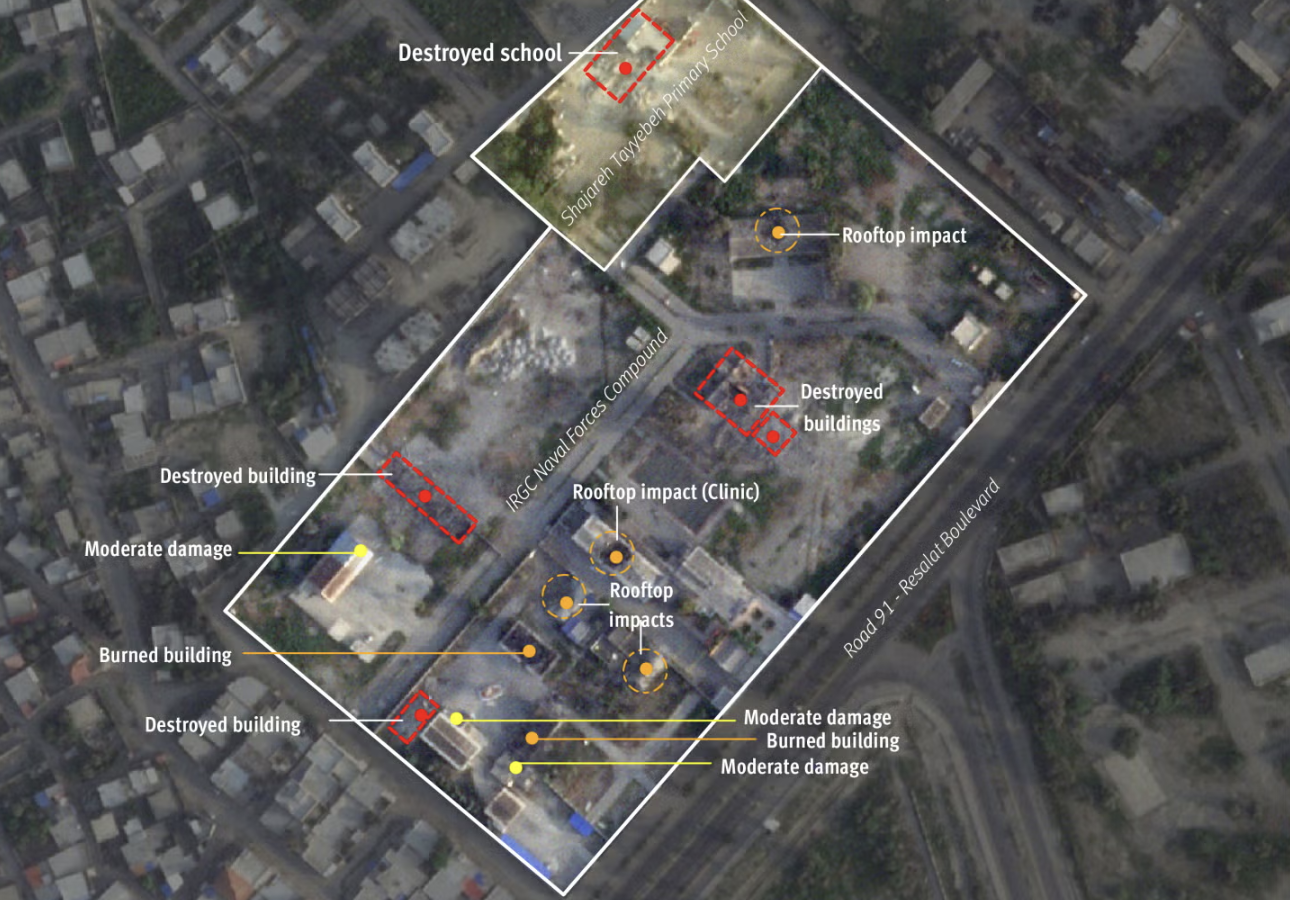
AI is not yet widely used in military contexts, but there are several confirmed incidents of autonomous decision-making in the "kill chain" of lethal attacks, including the strike on a primary school in Iran in late February, early in the US-Israeli war on Iran.
Algorithmic errors in surveillance and rapid decision loops increase the danger of accidental conflict escalation – illustrated by a "near miss" incident reported in September, when US military forces almost boarded a ship under the misapprehension that it was a Chinese warship, after an intelligence analyst obtained incorrect information from a chatbot.
Texts mentioned in this episode:
- Pope Leo XIV’s Encyclical this year stressed the dangers of autonomous weapons systems, including algorithmic decision-making and the detachment of human responsibility.
- A Washington Post investigation that Anna refers to about how the US and Russia weakened safeguards in the efforts to form an international treaty.
CREDITS:
- Produced by Sarah Allely
- Original music by Russell Stapleton
- Mixed by Bethany Stewart
Subscribe to the podcast: Apple; Spotify; all platform links.
Contact us at: polycrisispodcast (at) gmail.com OR the.polycrisis (at) gmail.com